
Biological Sciences News
IN THE NEWS
Featured Research
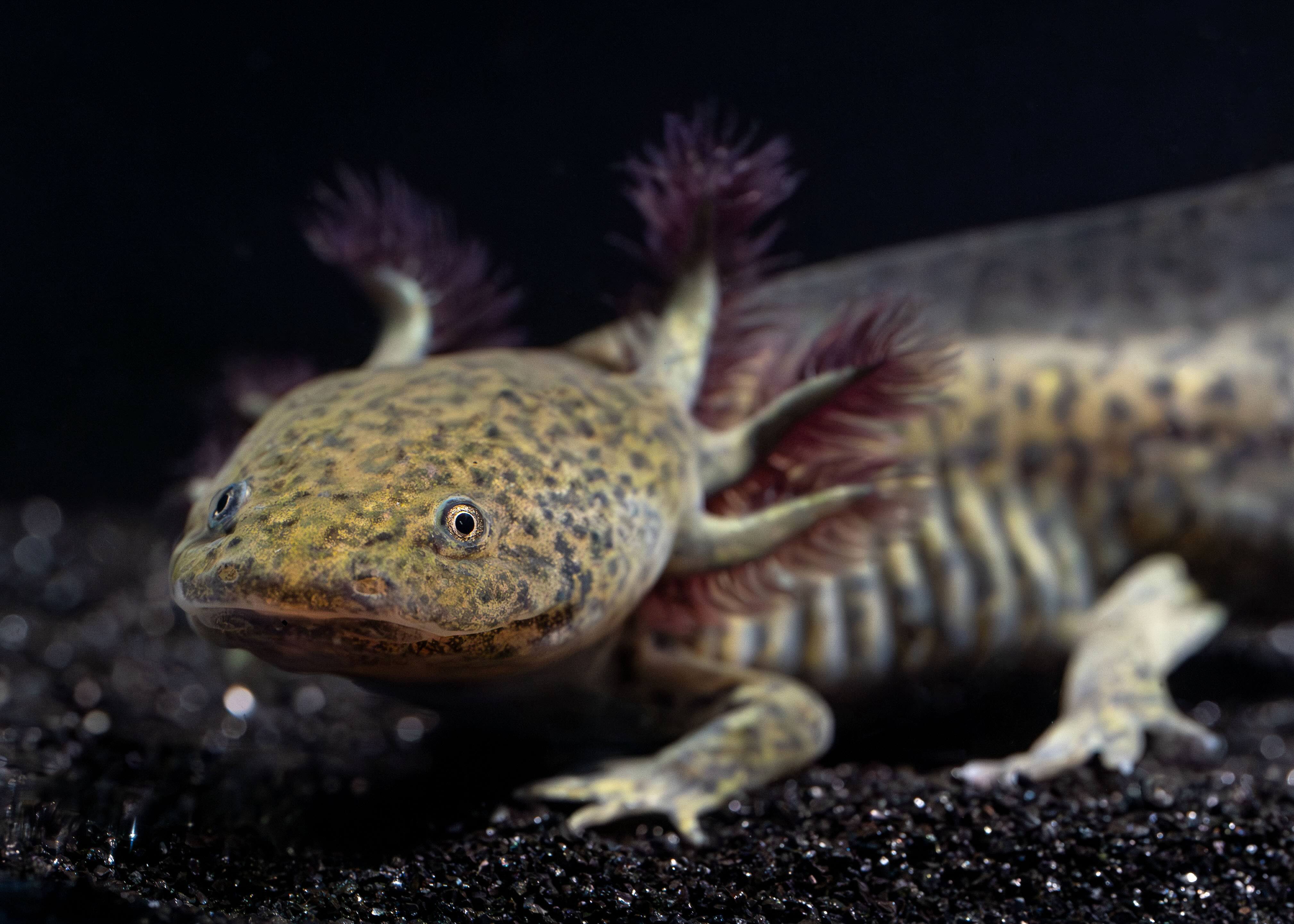
LSU biologist Igor Schneider is investigating the molecular signals that tell cells to regenerate rather than simply heal after injury. Supported by a $1.875 million NIH MIRA (R35), his lab will compare regeneration across axolotls, African lungfish, Senegal bichir, and lizards to identify signaling pathways shared across regenerative species. Using spatial transcriptomics, single-nucleus RNA sequencing, and CRISPR, the team aims to uncover a conserved “pro-regenerative signaling toolkit.”
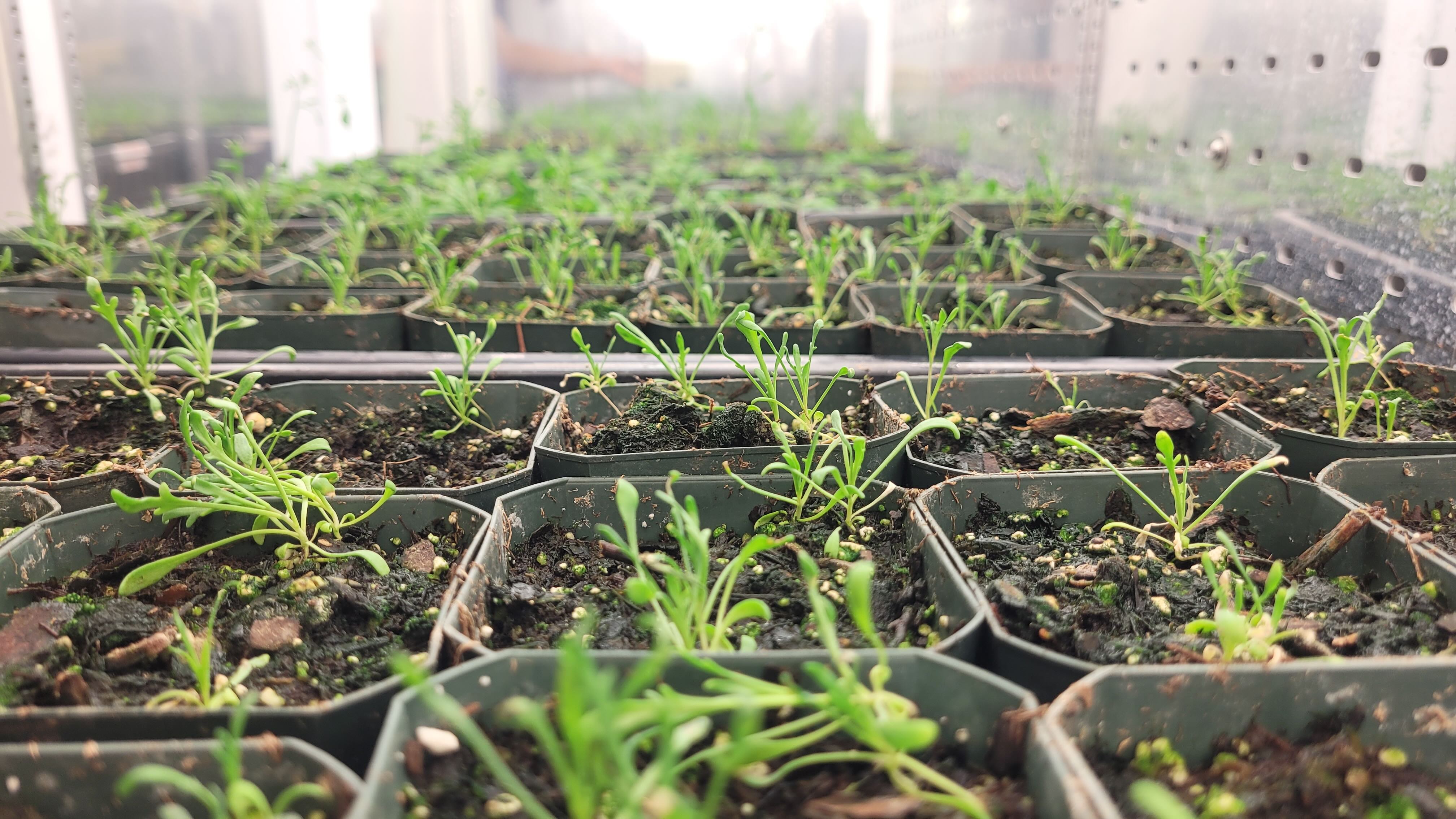
LSU researchers have created a cross-species single-cell atlas of plant roots, offering a new look at how plants respond and adapt to salt stress. By analyzing more than 200,000 individual root cells across five species, the team found that different cell types play distinct roles in stress response and that salt-tolerant plants have evolved multiple strategies for surviving saline environments. Published in Nature Communications, the study provides new insights into plant resilience that could help guide future efforts to develop crops better suited for increasingly stressful growing conditions.
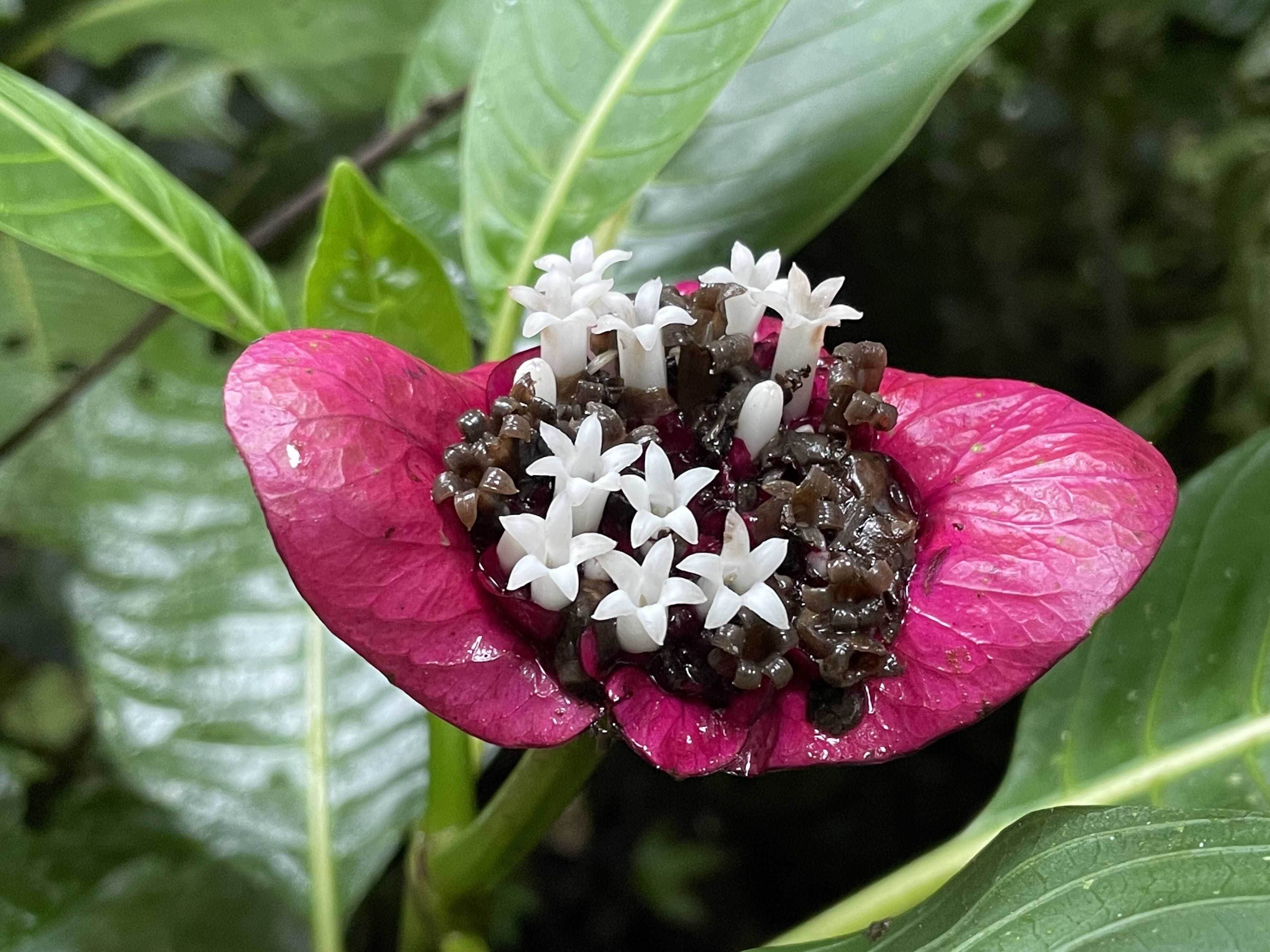
LSU researcher Laura Lagomarsino will study how tropical flowers evolve with support from a Fulbright U.S. Scholar award. Focusing on wild coffee plants in Colombia, her research explores how shifts in pollinators and environmental conditions drive repeated transitions from small, white flowers to bright, showy blooms across multiple species.
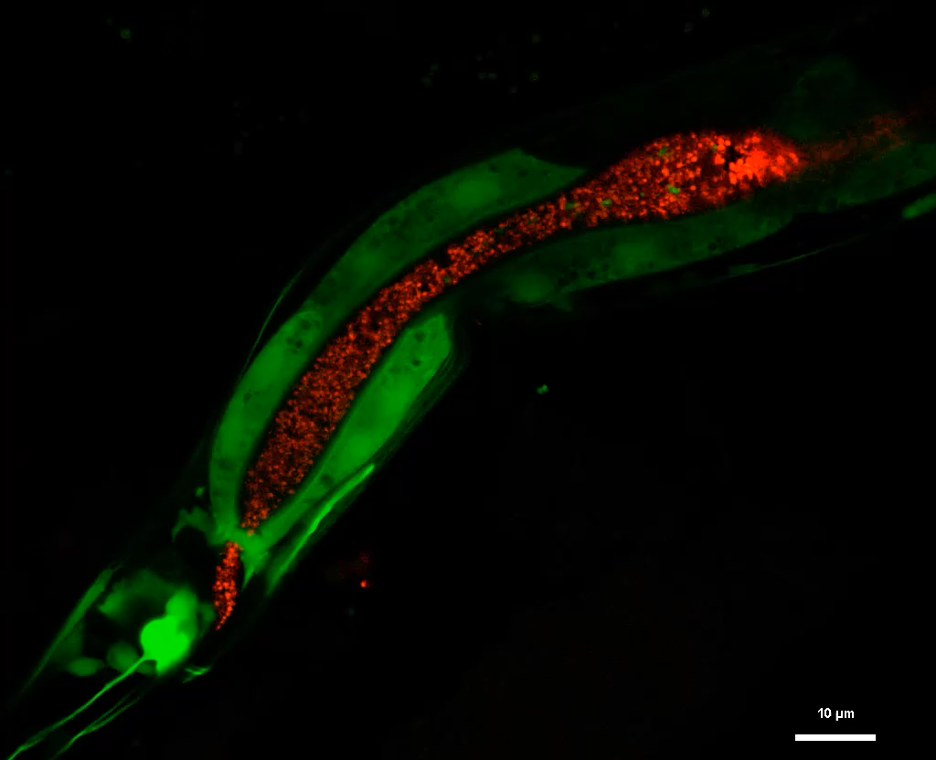
Metabolic disorders such as type 2 diabetes are increasingly linked to shifts in the gut microbiome, but scientists still don't fully understand how combinations of microbes influence the body's endocrine system. Supported by a five-year NIH R35 award, LSU biological scientist Fan Zhang studies how defined microbial communities work together to regulate insulin signaling along the gut-brain axis. Using the microscopic worm C. elegans as a controlled model, his lab identifies microbial metabolites that activate endocrine pathways, aiming to clarify how microbiome composition and hormone signaling interact to shape metabolic health.
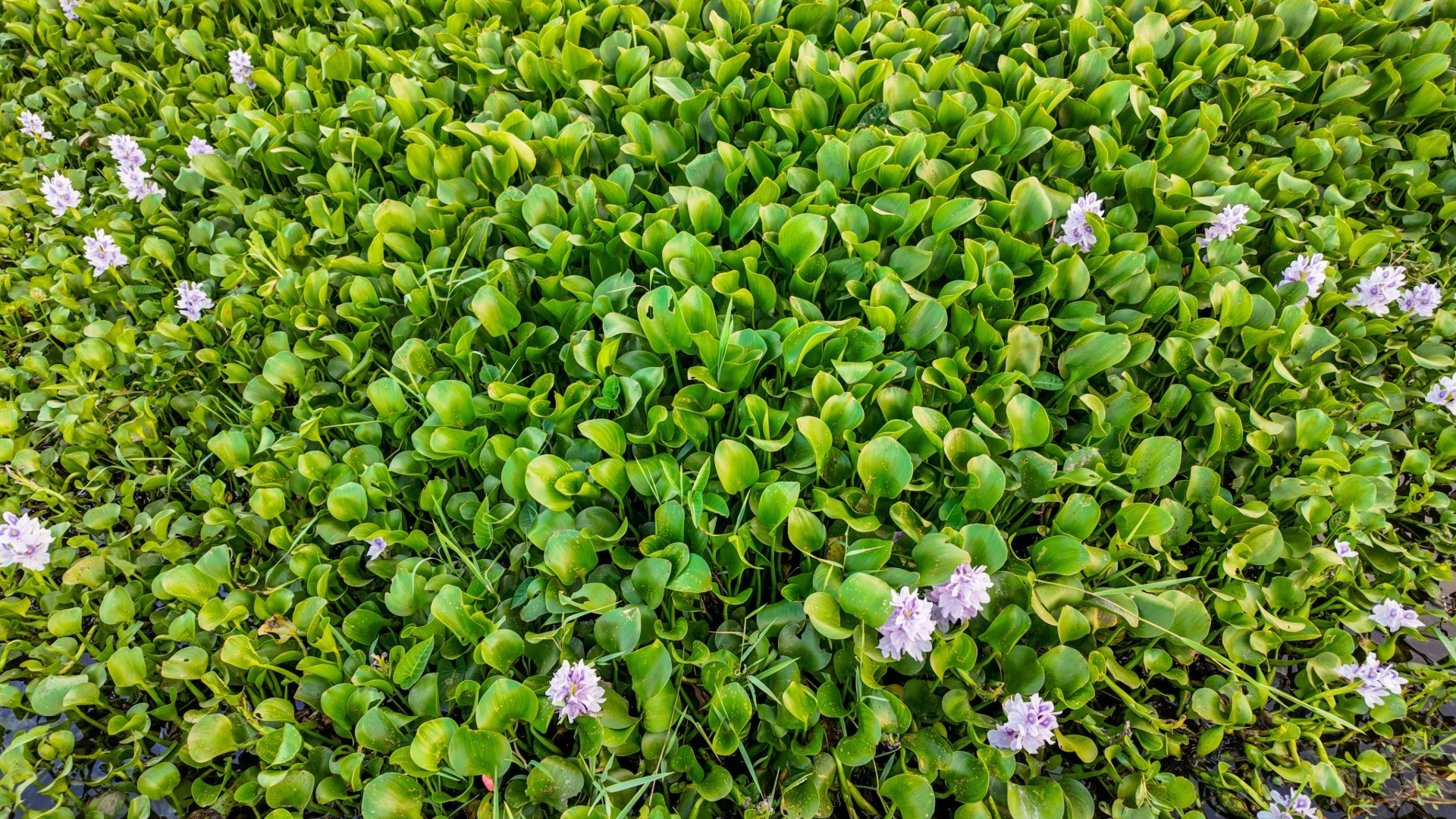
A recent study led by LSU Assistant Professor Jiaqi Tan, published in Nature Communications, shows how competition between species alters how plants and animals grow, reproduce, and behave. By examining results from hundreds of studies worldwide, the researchers found that as competition increases, average performance often declines, but individuals within a species become more varied and flexible. These findings help scientists better understand--and predict--how ecosystems will respond to challenges like climate change, shrinking habitats, and invasive species.
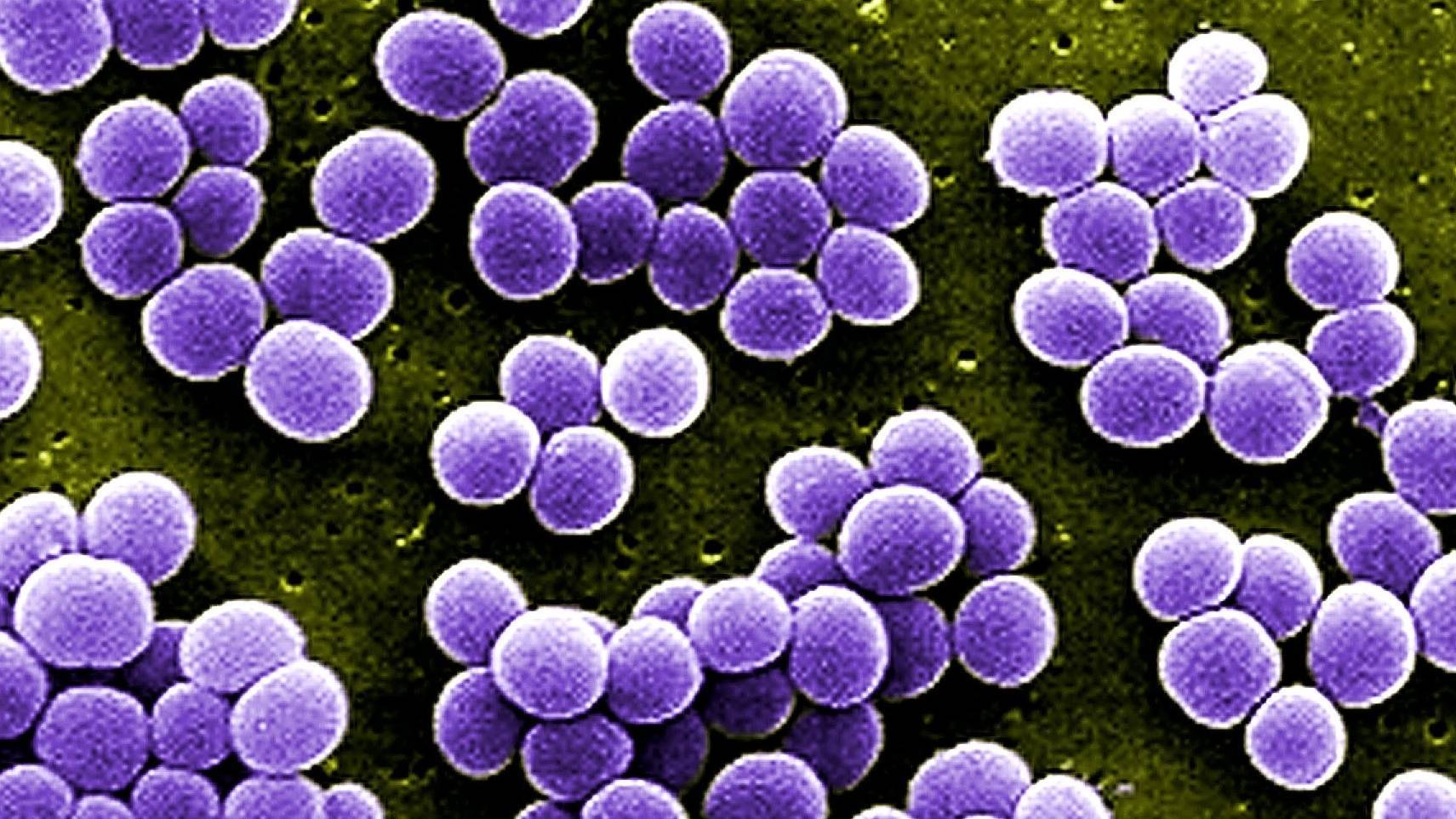
Assistant Professor Chen Chen of LSU’s Department of Biological Sciences has received a $2.23 million NIH R01 award to investigate how Staphylococcus aureus interacts with the human immune system to persist in the body and, under certain conditions, cause severe disease. Using advanced molecular and animal models, her research focuses on how the bacterium modulates immune responses—particularly neutrophil behavior—to balance colonization and infection. The findings may lead to new therapeutic strategies that reduce lung inflammation and improve outcomes for patients with pneumonia, including infections caused by antibiotic-resistant strains.
Blog Stories
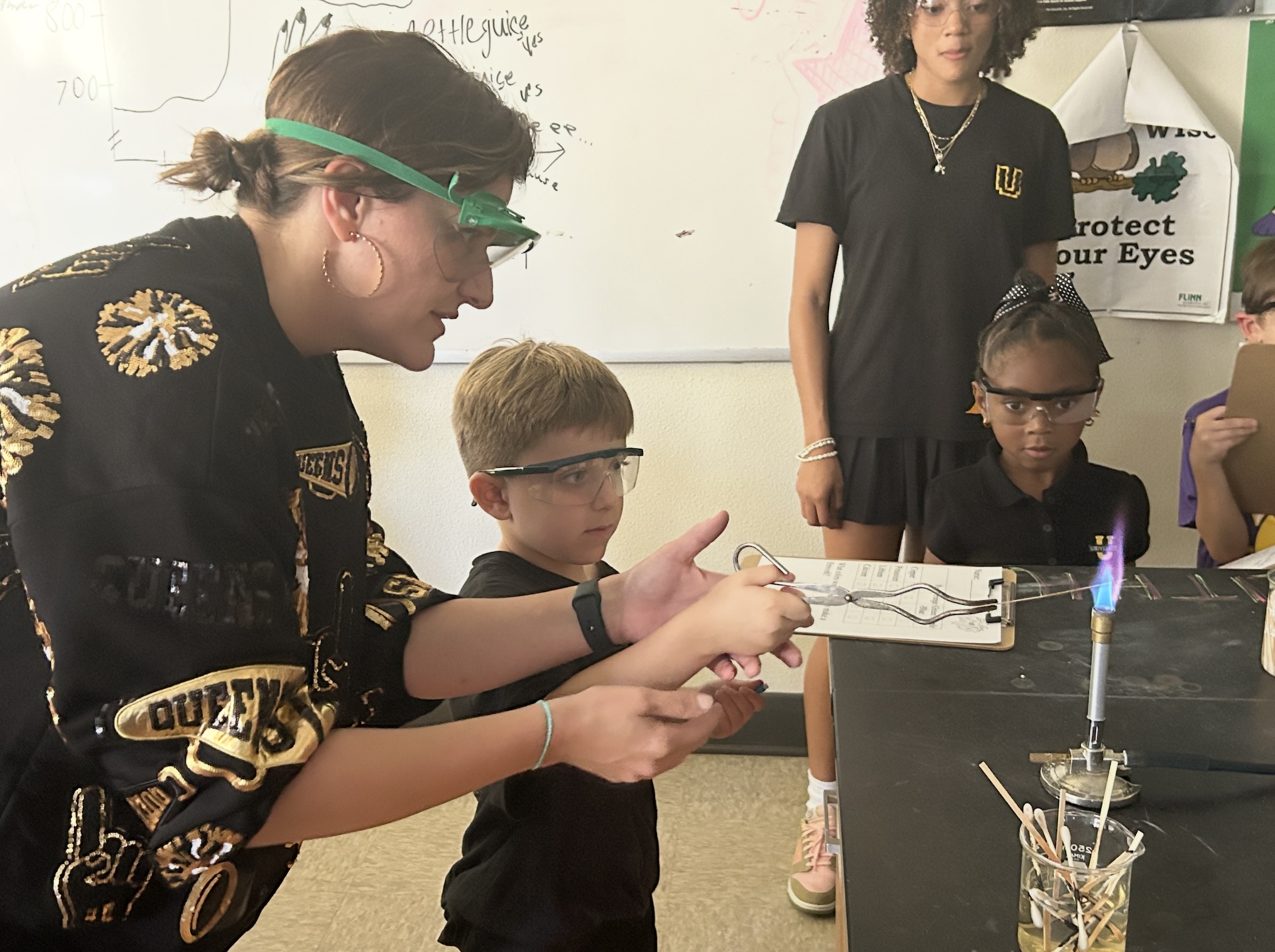
LSU College of Science alumna and chemistry teacher JoAnna Stewart reflects on her journey from science student to educator. From hands-on experiments to fieldwork and international experiences, Stewart creates opportunities for students to experience science beyond the classroom while building the confidence, curiosity, and critical-thinking skills they can carry with them wherever they go next.
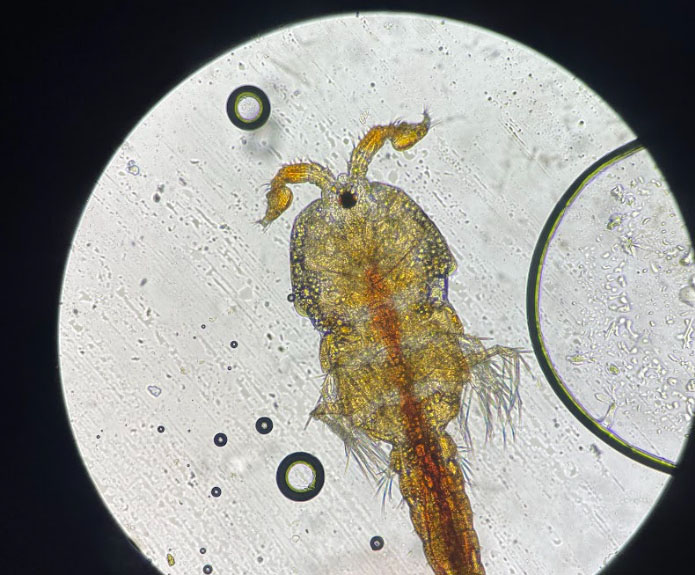
An LSU study of tiny marine crustaceans called copepods found that flexibility in gene expression may be critical for surviving climate change. Populations with greater ability to adapt to heat stress could be better equipped to handle rising temperatures and extreme weather.
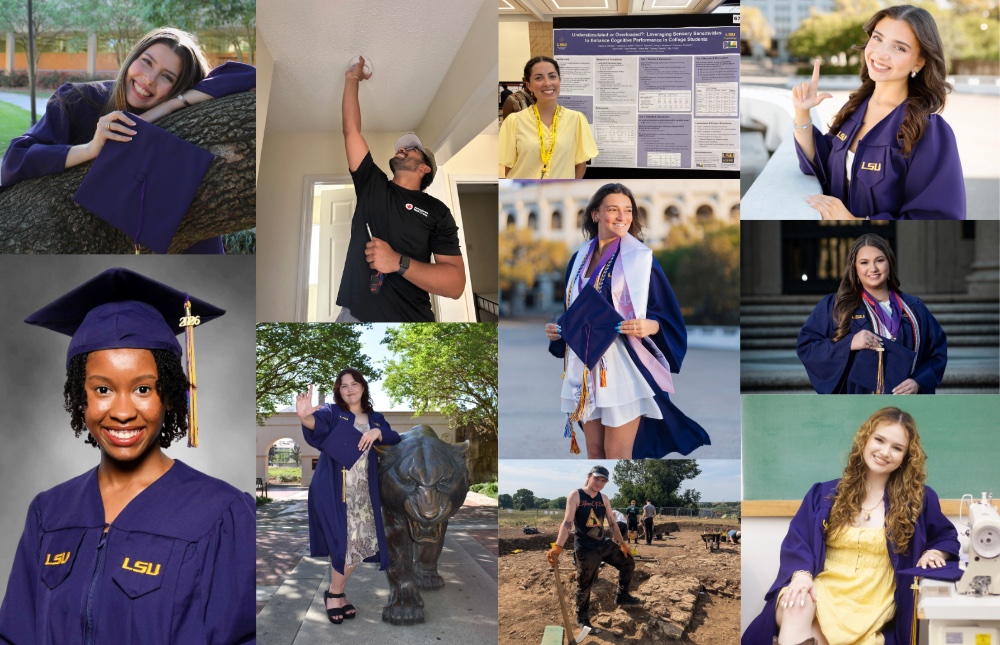
Every May, the Ogden Honors College celebrates a group of students who have gone above and beyond in the classroom, in the lab, in the field, and in their communities. This year's graduating class is no different. From archaeological digs in the English countryside to policy research presented at Harvard, from laboratory breakthroughs to community-centered service, the Class of 2026 leaves LSU having made their mark.
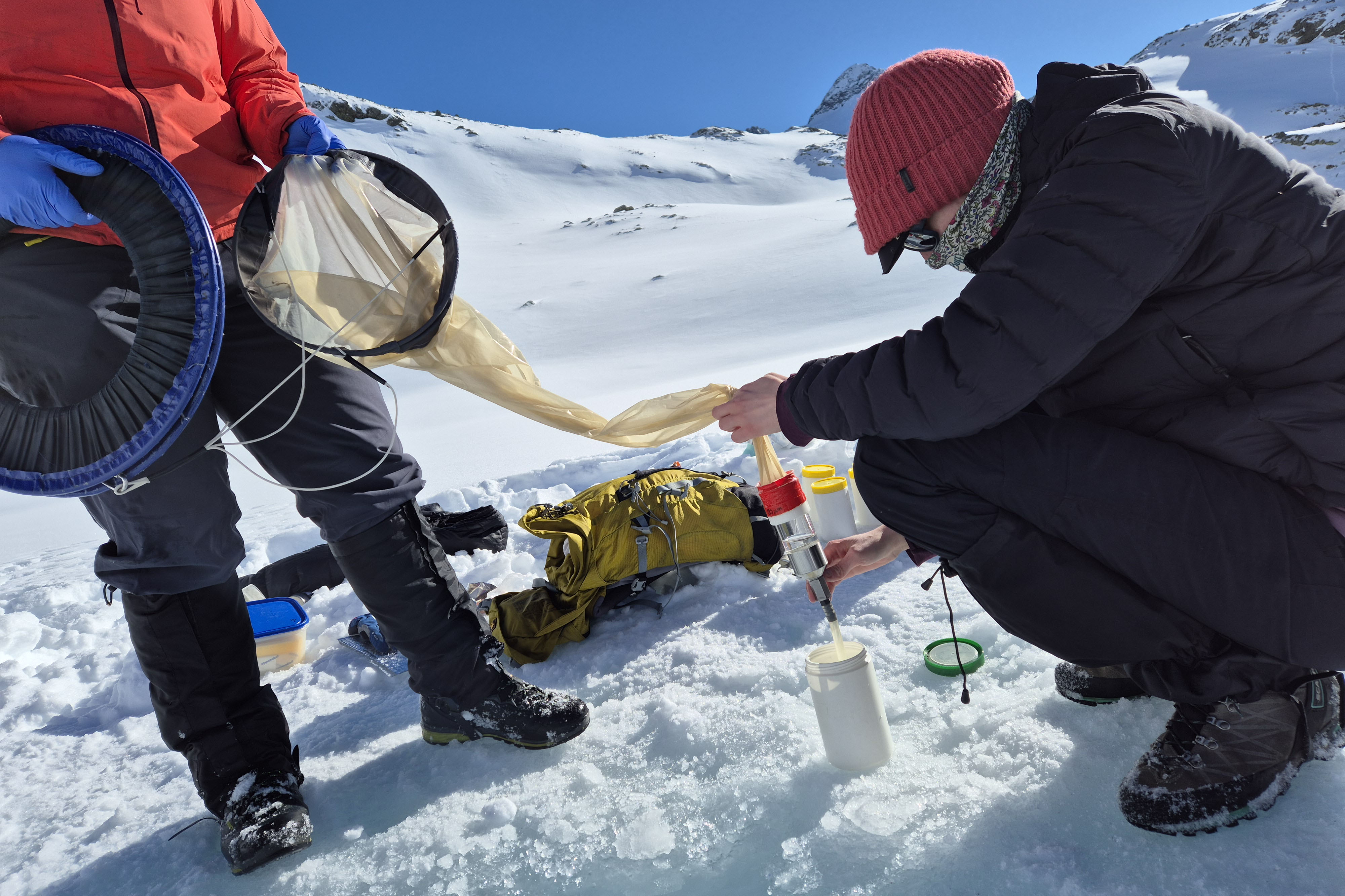
Tiny crustaceans living in freezing alpine lakes survive by activating specialized cold-tolerance and UV-protection genes. By studying their gene expression, researchers reveal how life adapts to extreme environments—insights that could inform broader research on resilience and climate adaptation.
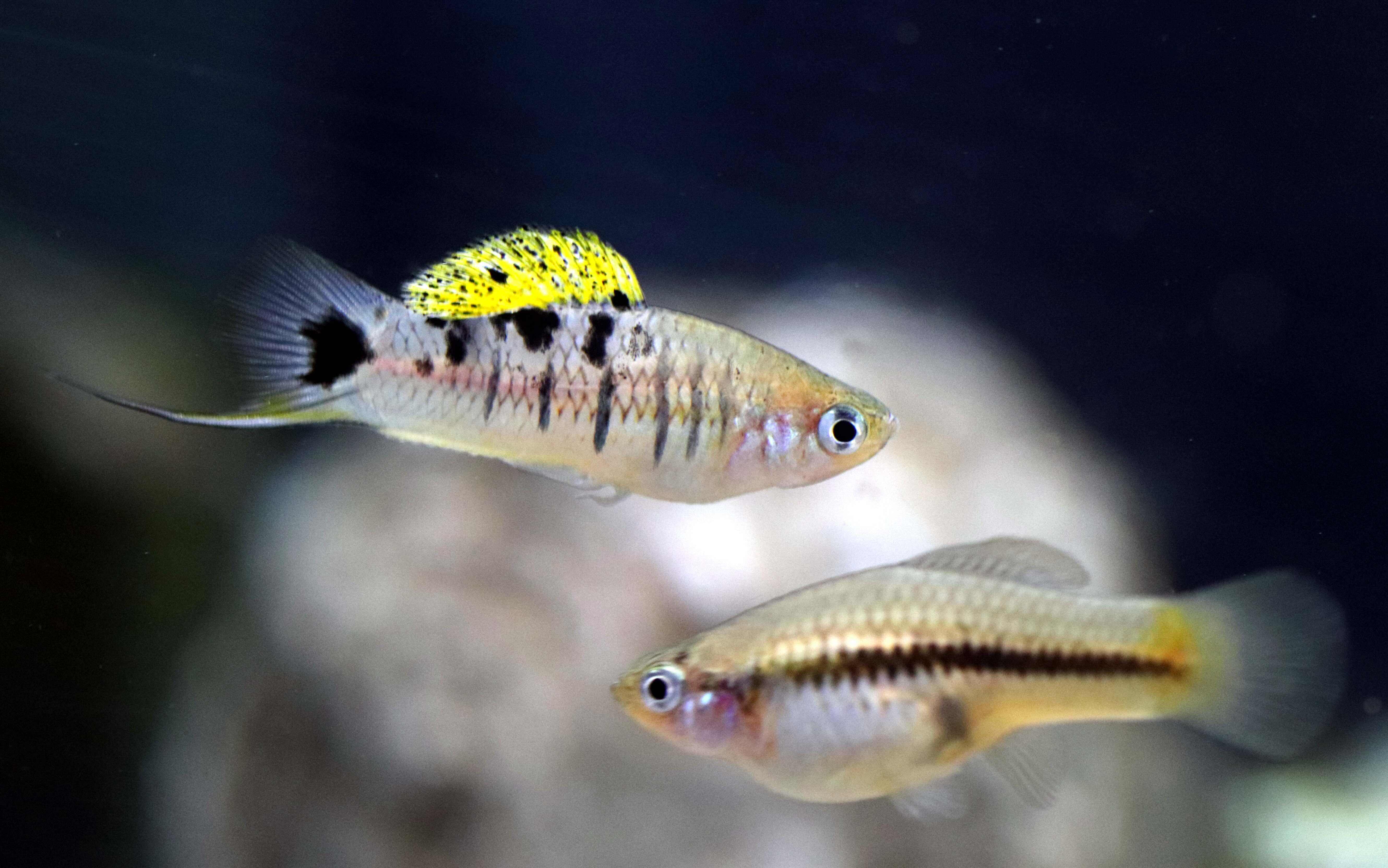
LSU evolutionary biologist Daniel Powell studies how DNA shapes mate choice and helps maintain species boundaries. Using swordtail fish in Mexico, his research shows how traits like color, behavior, and chemical cues influence attraction—and how environmental changes, including pollution, can disrupt these signals. By linking behavior to genetics, Powell reveals how human impacts may influence hybridization and reshape the evolution of species.
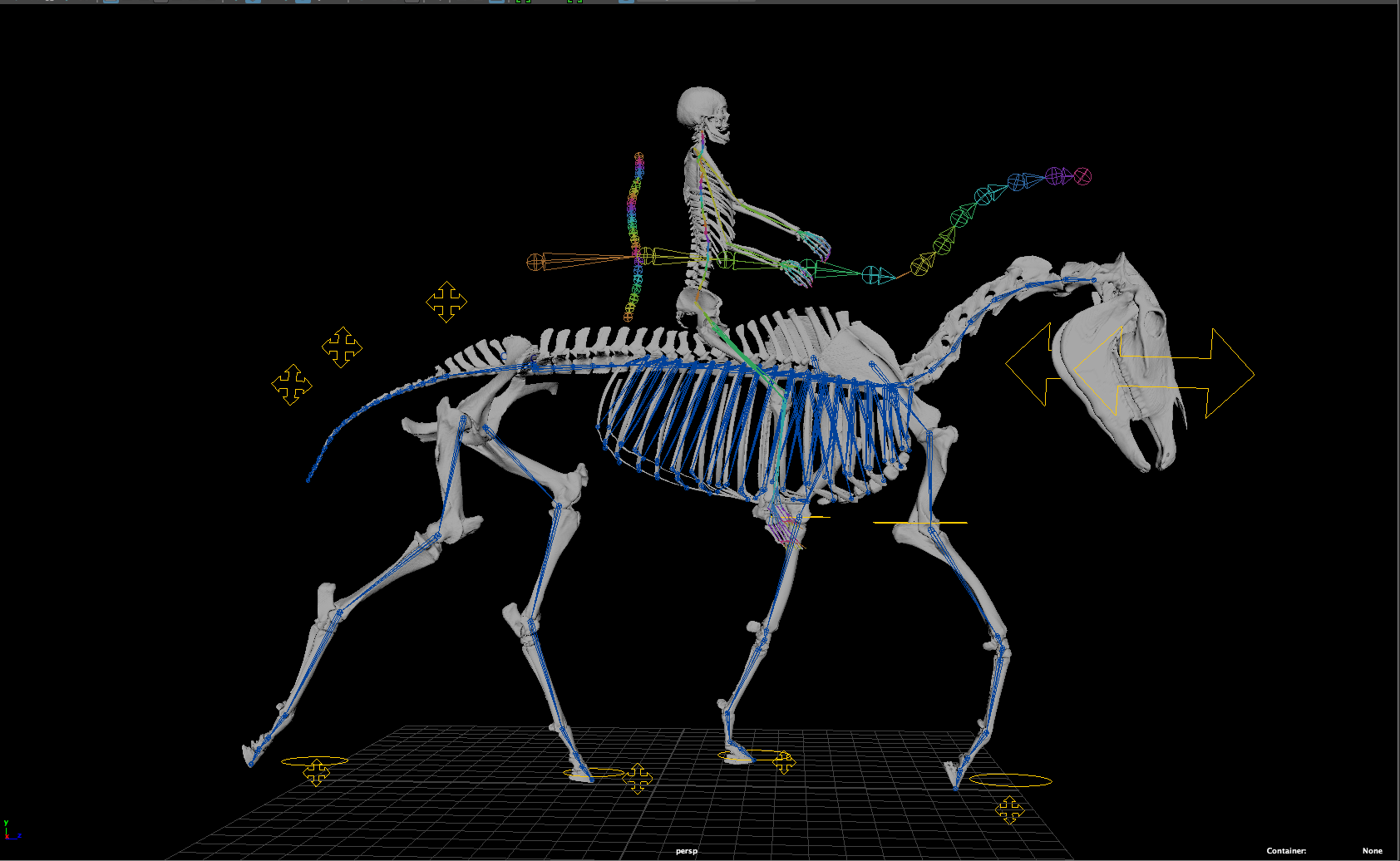
A new 3D skeletal model helps identify harmful movement patterns in horses, allowing trainers and veterinarians to prevent joint damage before it worsens. By targeting root mechanical causes—not just symptoms—the approach could improve long-term health for horses and riders alike.